· 6 min read
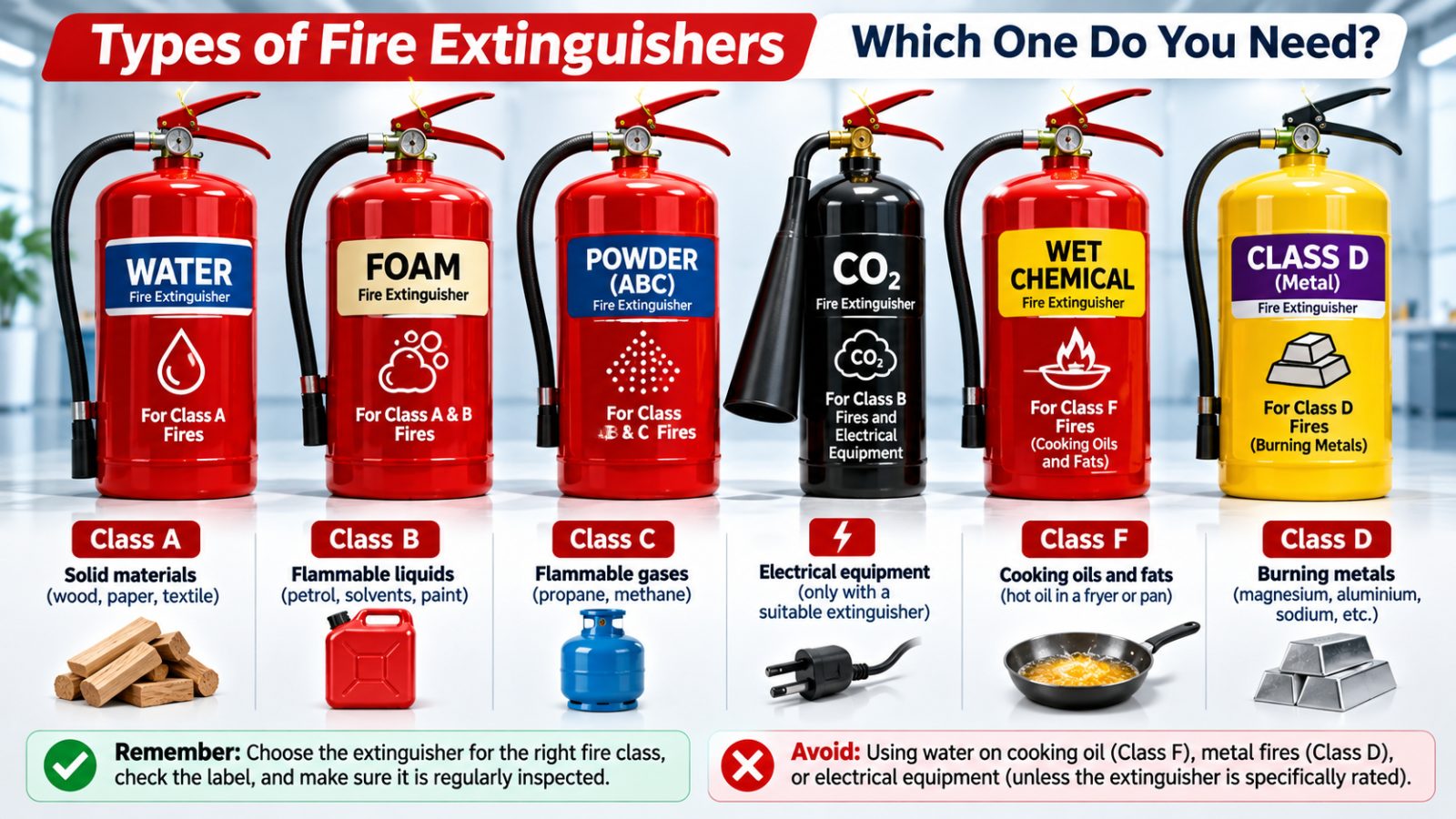
Not All Fire Extinguishers Are the Same: Which One Should You Use?
Water, foam, powder, or CO₂? Not every extinguisher works on every fire. Learn the different types, when to use them, and the dangerous mistakes to avoid.
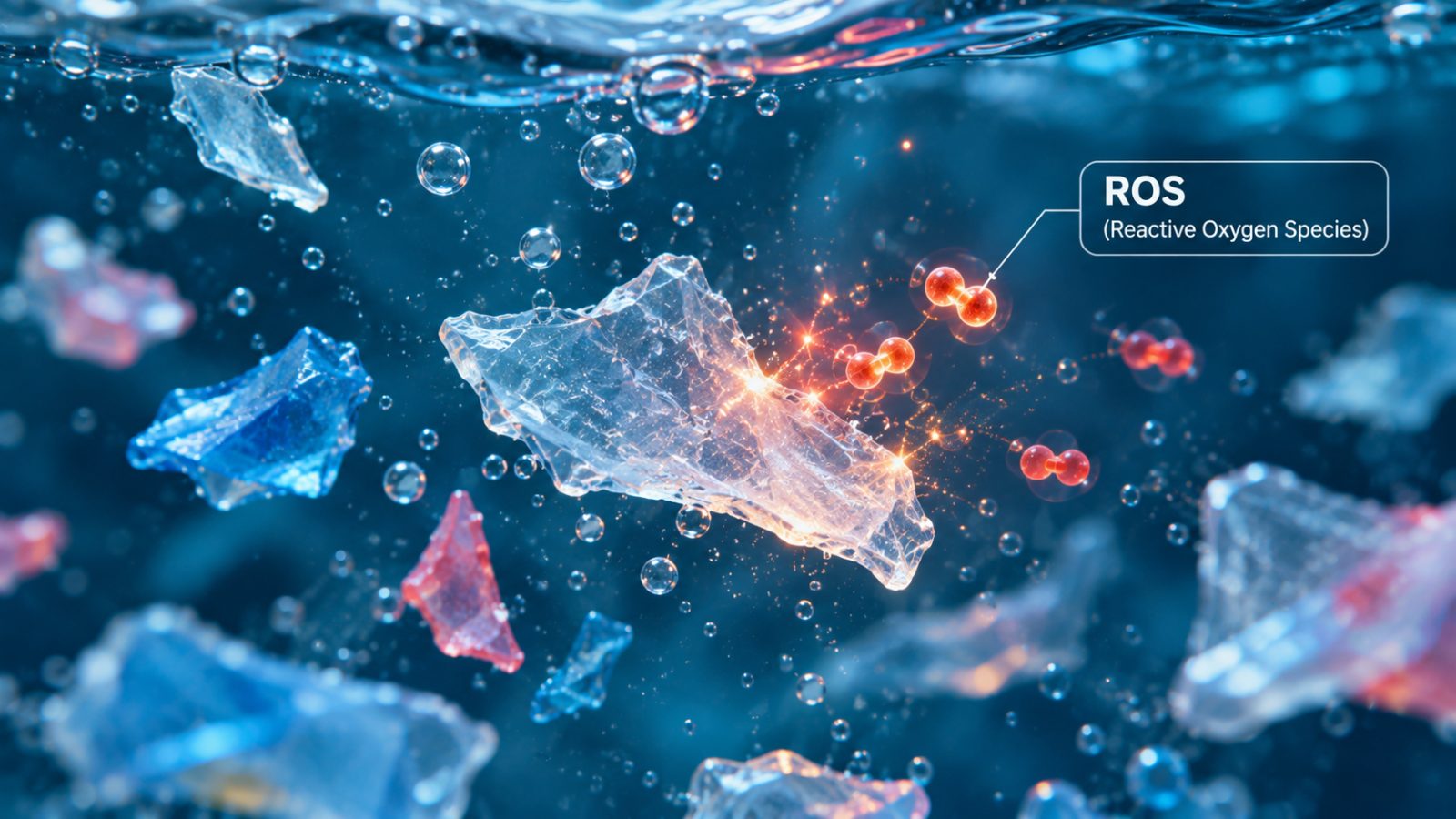
What if tiny pieces of plastic do more than just float around in our water? What if they actually change its chemistry?
That's exactly what scientists have discovered.
In October 2026, researchers from Columbia University and the University of California, Berkeley, published a surprising study in the scientific journal Nature.
Their finding? Tiny plastic particles can trigger chemical reactions simply by coming into contact with water.
And the discovery could change how we understand plastic pollution.
Usually, yes.
Plastic is popular partly because it's durable and doesn't react easily with many everyday substances.
That's why we use it for water bottles, food packaging, containers, and countless other products.
But there's a catch.
Over time, plastic can break into extremely small pieces called microplastics.
And when plastic becomes tiny, something interesting happens: much more of its surface becomes exposed to the surrounding environment.
Researchers have now discovered that these exposed surfaces can behave differently from larger pieces of plastic.
Scientists mixed tiny polystyrene plastic particles with water containing a colored dye.
Normally, the dye should remain stable.
But over approximately ten days, the solution gradually lost its color.
Something was happening!
Further experiments showed that the plastic-water boundary was producing highly reactive substances called reactive oxygen species (ROS).
Think of these as short-lived chemical troublemakers.
They can react with other molecules and change their structure.
The researchers tested six common types of plastic and observed this chemical activity in all six, although some were more reactive than others.
Even more surprisingly, the reactions could happen without sunlight or added oxidizing chemicals.
The water itself played an important role.
Possibly, but there's an important distinction.
Reactive oxygen species are already familiar to scientists because they can damage proteins and other important biological molecules under certain conditions.
The new research provides a possible explanation for how microplastics might contribute to such damage.
However, the study does not prove that drinking water containing microplastics will cause a particular disease.
Scientists still need to understand how much of this chemical activity occurs under real-world conditions and what levels of exposure might be harmful.
That's why this discovery is important: it opens up new questions that researchers can investigate.
Until now, much of the conversation about plastic pollution has focused on where plastic ends up.
In oceans. In rivers. In soil. And even in our bodies.
But this research introduces another question:
What happens chemically when tiny plastic particles interact with their surroundings?
Understanding these reactions could help scientists develop safer plastic materials, improve pollution research, and investigate possible health effects more accurately.
The goal isn't to make people afraid of every plastic product.
It's to understand the science well enough to make better decisions.
Here's the fascinating part.
Water and plastic are two incredibly familiar materials. We encounter them every day.
Yet scientists are still discovering unexpected ways they interact.
That's what makes chemistry so interesting.
Sometimes, the next important discovery isn't hidden in a distant galaxy or an expensive futuristic machine.
Sometimes, it's hiding in something as ordinary as plastic touching water.
· 6 min read
Water, foam, powder, or CO₂? Not every extinguisher works on every fire. Learn the different types, when to use them, and the dangerous mistakes to avoid.
· 4 min read
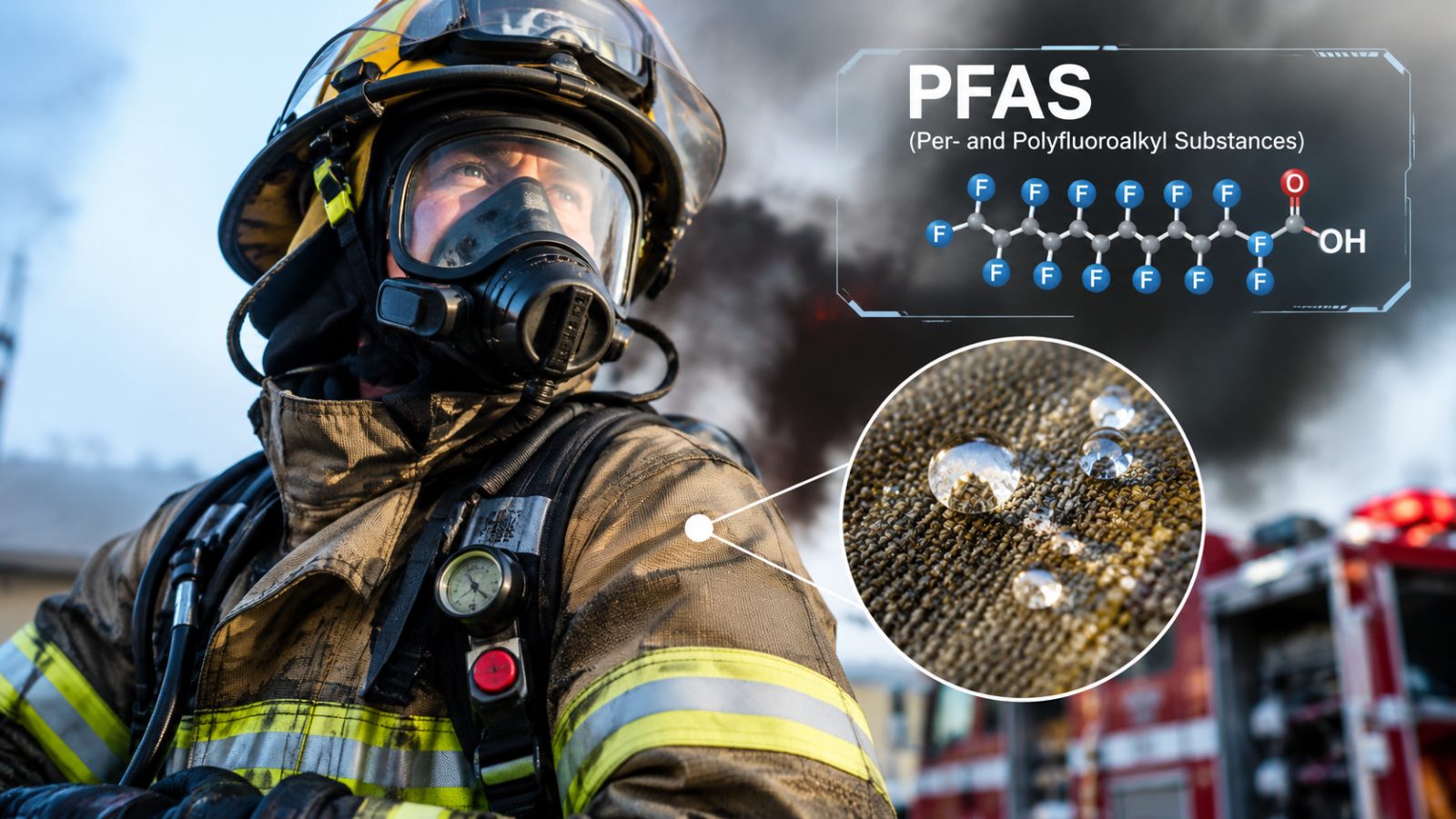
Firefighters wear special equipment to stay safe, but researchers have found potentially harmful forever chemicals in some protective gear. Discover what PFAS are, what scientists found in 2026, and how workplaces can reduce chemical exposure.
· 3 min read
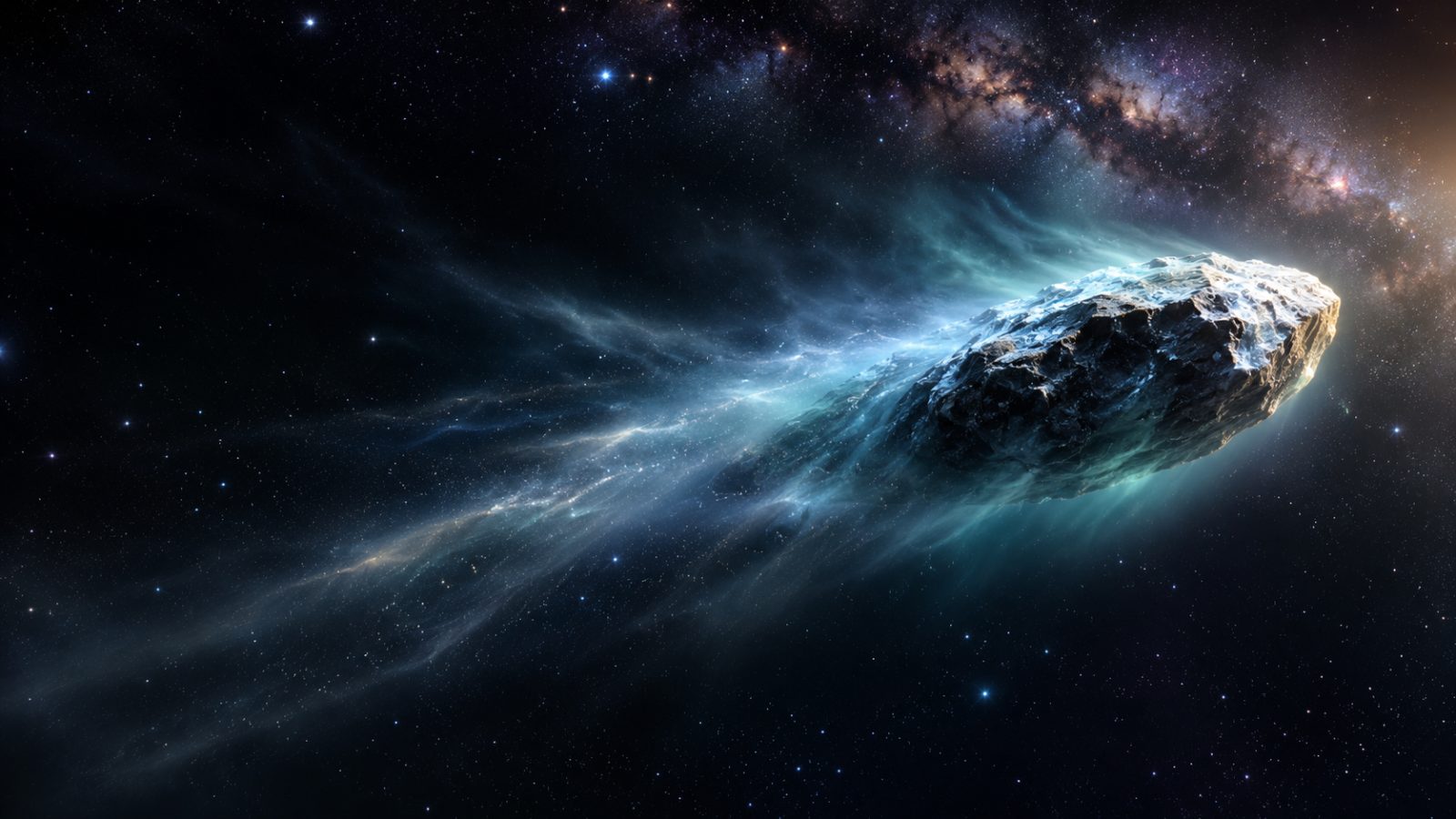
A mysterious comet from outside our Solar System may be older than the Sun itself. New observations from the James Webb Space Telescope reveal surprising clues about its ancient origins.
· 3 min read
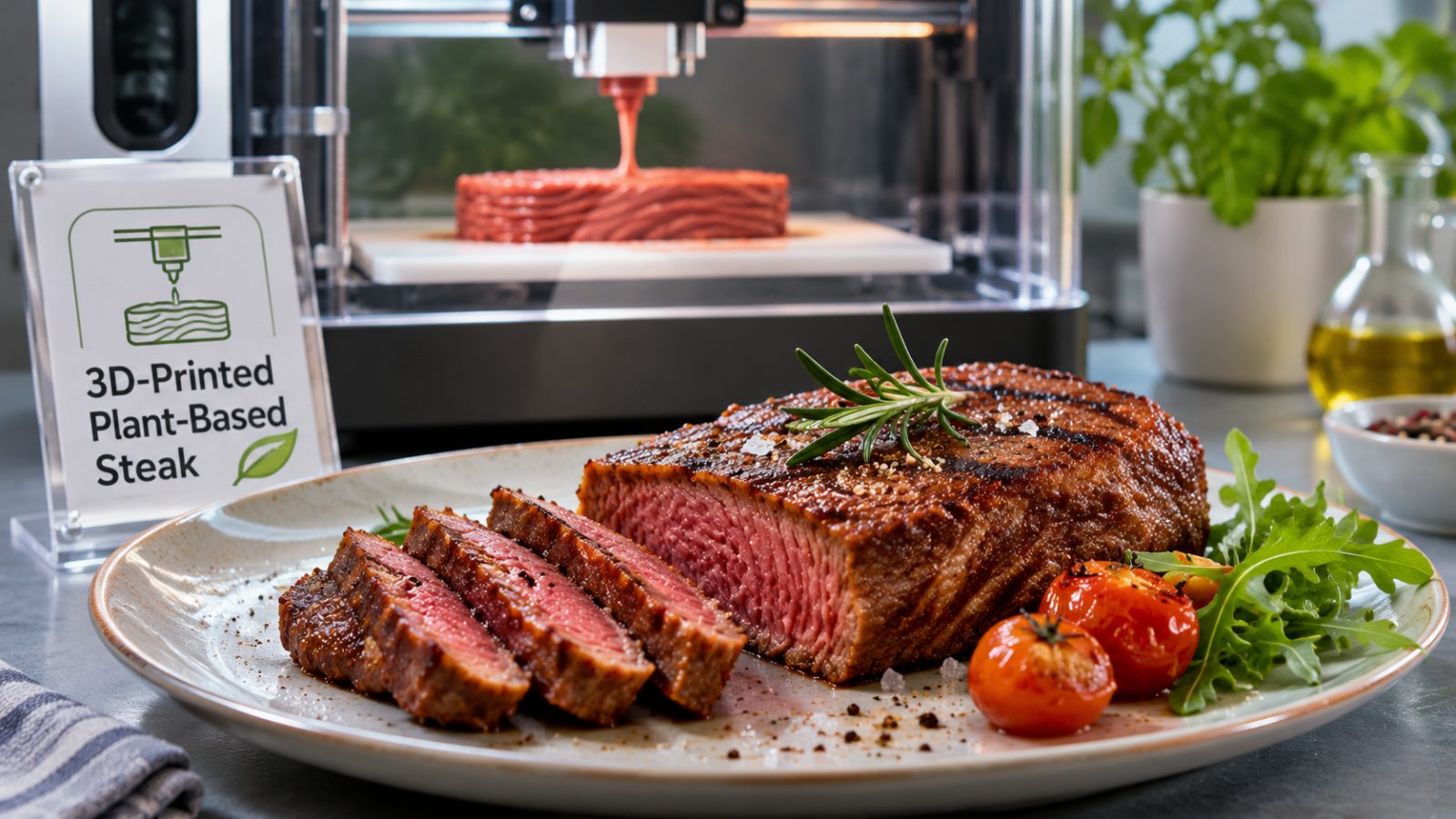
Steak from a printer? Yes, it's real technology—and some versions are already being sold. Discover how 3D-printed meat works, what it's made from, and whether you'd actually want to eat it.
· 1 min read
Test anxiety is real — but so is preparation. Here are five strategies our instructors use with every student.
· 1 min read
There's a reason repetition in front of real people works better than studying alone. Here's the science and the strategy behind it.